For now we see through a glass, darkly

Miracles

From the Annunciation to the tongues of fire in the upper room, the Church has never been without signs. Some left no object behind. Others left a cloth, an image, a wound in history that still will not close. These are not curiosities. They are thresholds.

Our Lady of Guadalupe

Tepeyac · December 1531

Our Lady of Guadalupe

The tilma that should not have survived

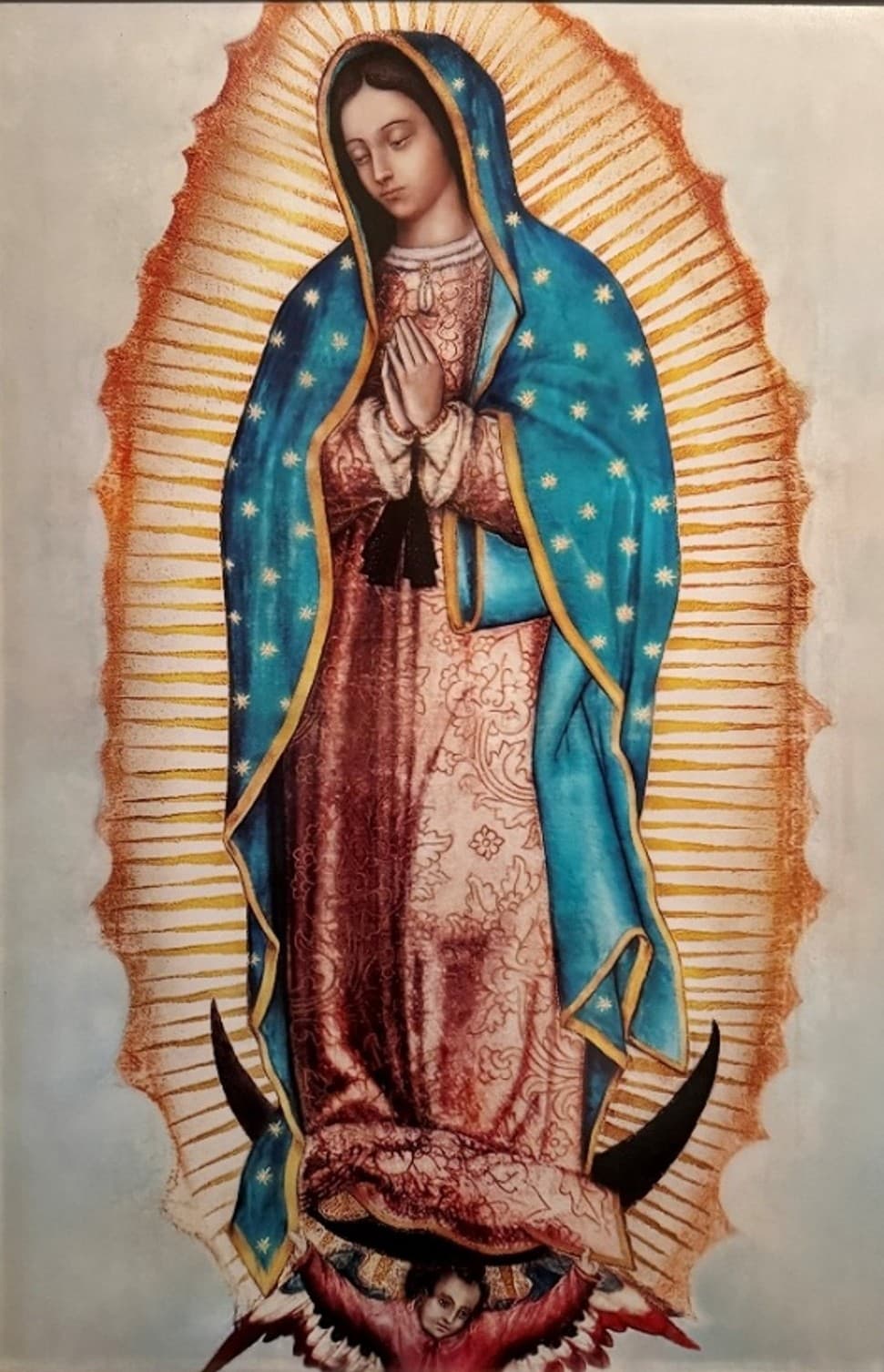
In December 1531, on a barren hill called Tepeyac outside Mexico City, a humble indigenous convert named Juan Diego encountered a radiant Lady who identified herself as the ever-Virgin Mary, Mother of the true God. Over four days she spoke to him with maternal authority and tenderness, asking that a church be built on that very spot so that she might show her love to all the peoples of the land. When the skeptical bishop demanded a sign, the Lady directed Juan Diego to gather roses—Castilian roses, impossibly blooming in the dead of winter on rocky, frost-bitten ground—and carry them in his rough cactus-fiber tilma.

Before the bishop and his household, Juan Diego opened the cloak. The roses spilled to the floor. And there, suddenly present on the coarse fabric, was her image: a young mestiza woman clothed with the sun, standing upon the moon, her eyes lowered in compassion. Nearly five centuries later that same tilma remains intact, its fragile agave fibers still bearing an image that no human hand can account for. The pigments have no underdrawing, the colors float without saturation of the weave, and the eyes of the Virgin reflect, with optical precision, the figures who stood before her on the day the sign was given. Science has examined it repeatedly and found only deeper mystery. The cloth that should have crumbled to dust long ago continues to hang as a silent, living testimony—an inexplicable divine artifact left behind after a four-day meeting between heaven and a poor man on a Mexican hillside.
The Shroud of Turin

Jerusalem · first century · preserved in Turin

The Shroud of Turin

A burial cloth that still confounds the age

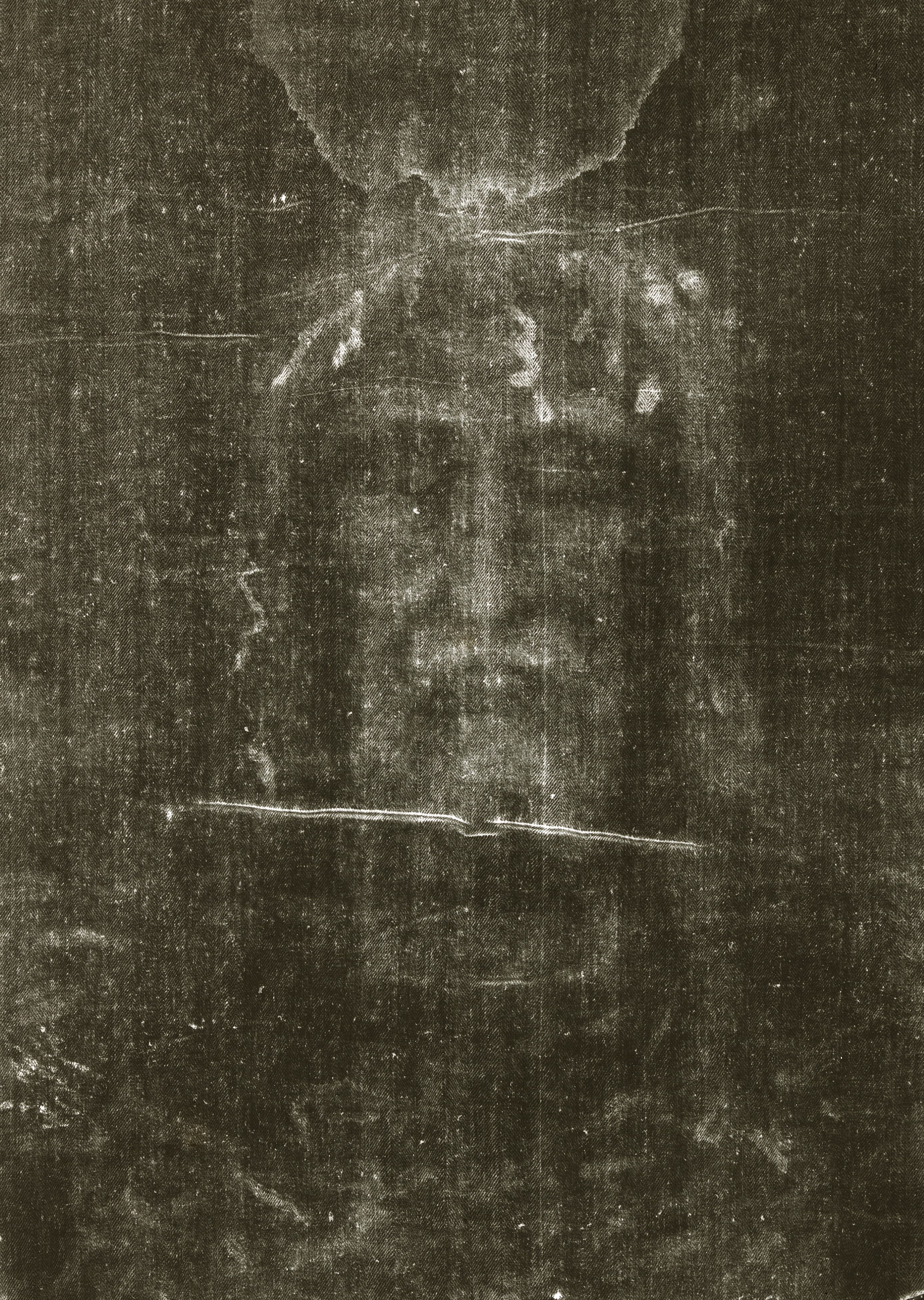
Among the Church’s most examined relics is a linen cloth a little over fourteen feet long, bearing the faint, full-length image of a man who has been scourged, crowned with thorns, crucified, and pierced in the side. For centuries it was venerated in silence. In the age of photography it startled the world: the image behaves like a negative. Light and dark are reversed. Detail that the naked eye can barely hold becomes, under the camera, a human face of unbearable stillness.

No paint layer, no brushstroke, no underdrawing has ever been found that accounts for the image. The bloodstains are real human blood, type AB. The wounds match the Roman crucifixion described in the Gospels with a precision no medieval forger is known to have possessed. Carbon dating of a single corner sample once suggested a medieval date; later work showed that corner had been repaired with newer threads. The body of the cloth remains unresolved by ordinary explanation. Whether one approaches it as believer or skeptic, the Shroud stands as a physical question the modern world has not been able to dismiss—an artifact that continues to look back at those who study it.

Relic of the Eucharistic miracle of Lanciano

Lanciano, Italy · eighth century

The Eucharistic Miracle of Lanciano

Flesh and blood upon the altar

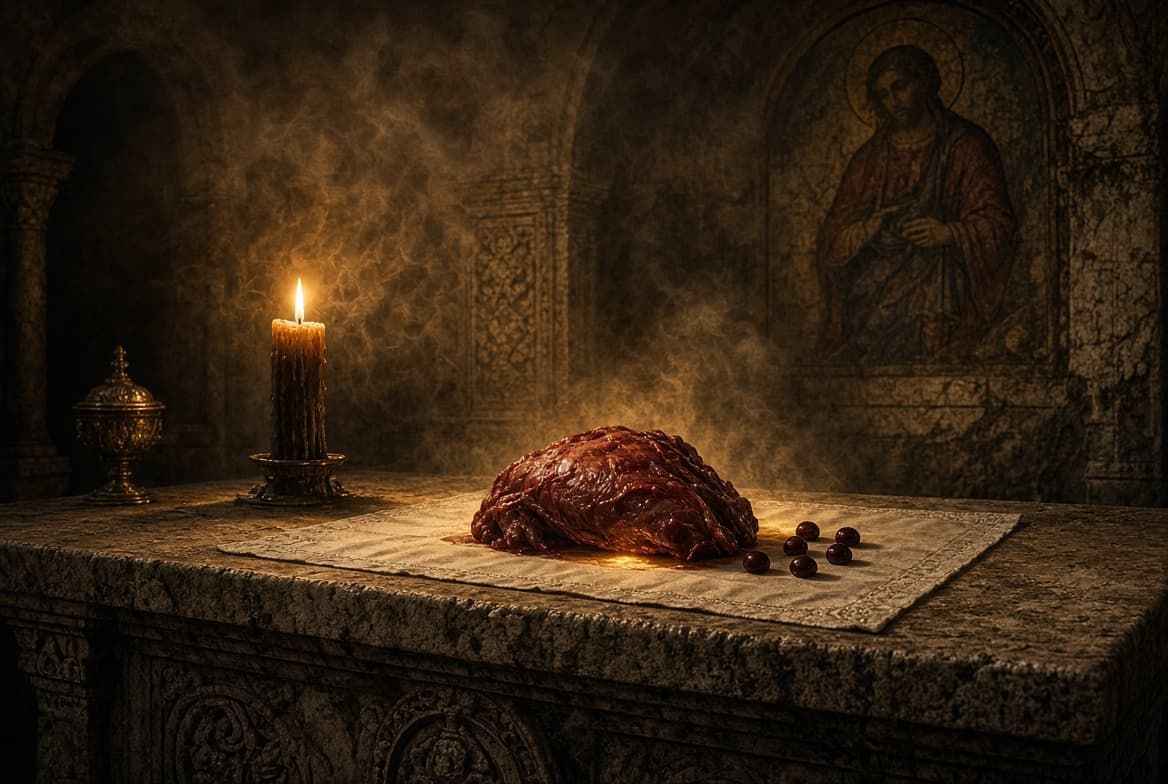
In a small church in the town of Lanciano, in the eighth century, a monk troubled by doubt stood at the altar to confect the Eucharist. At the words of consecration, what he held in his hands was no longer bread and wine in appearance. The Host became a living piece of flesh; the wine, blood that coagulated into five irregular globules.

Those same relics are preserved and still exposed for veneration. Modern examinations have identified the flesh as human heart tissue, the blood as type AB—the same type found on the Shroud of Turin. There is no preservative, no natural explanation for their endurance across twelve centuries. What began as a private crisis of faith left behind a public, tangible answer: the Church’s central claim made visible in tissue and blood.

The grotto of Our Lady of Lourdes

Lourdes, France · 1858

Our Lady of Lourdes

A spring in the rock, and healings that continue

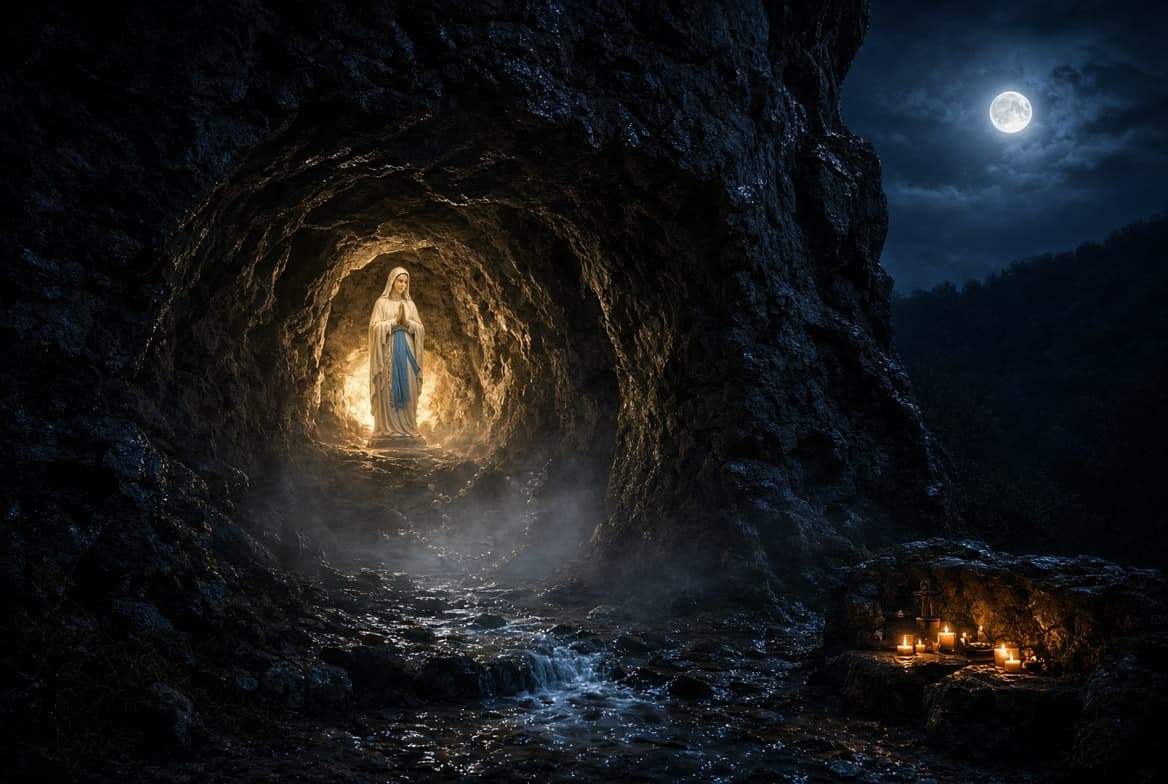
In the winter and spring of 1858, a poor, asthmatic girl named Bernadette Soubirous saw a young woman in a rock hollow beside the river Gave—dressed in white, with a blue sash, a golden rose on each foot, and a rosary resting in her hands. The Lady spoke little. She asked for prayer and penance. She asked that a chapel be built. On the twenty-fifth of March she gave her name: “I am the Immaculate Conception”—a title the Church had defined only four years earlier, and which an unlettered child could not have invented.

At the Lady’s direction Bernadette dug in the dirt of the grotto. A spring rose. Pilgrims came. The water has been the occasion of cures the Church investigates with medical severity; a small number are declared inexplicable by science and accepted as miraculous. The grotto remains a place of silence and wheels and stretchers—a wound of mercy opened in a hillside, still flowing.

The Miracle of the Sun at Fatima

Fátima, Portugal · 13 October 1917

The Miracle of the Sun at Fatima

Seventy thousand witnesses, one midday sky

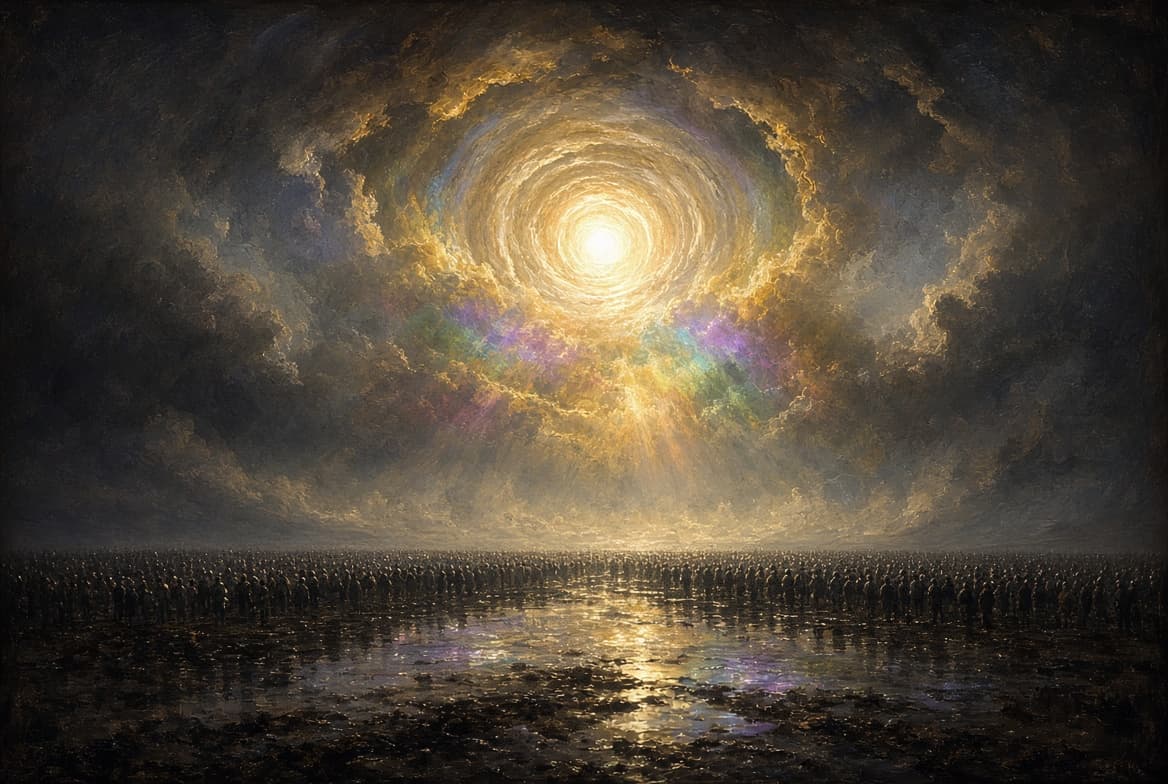
Three shepherd children—Lucia, Francisco, and Jacinta—reported apparitions of the Mother of God above a small oak in the Cova da Iria. She asked for the rosary, for conversion, for reparation. She promised a sign so that the world might believe. On the thirteenth of October, in a pouring rain, a crowd estimated at seventy thousand gathered: believers, skeptics, journalists, officials.

The clouds broke. Witnesses described the sun as a spinning disk of light, throwing colors, plunging toward the earth, then returning to its place. Clothing and ground that had been soaked were reported dry. Secular newspapers of the time recorded the event without knowing how to explain it. Francisco and Jacinta soon died as the Lady had foretold; Lucia lived long enough to see the consecration of the world and the attempt of the Church to answer what had been asked. The sun did not leave an object behind. It left a date, a place, and a multitude of sworn accounts no single nervous system can account for.

Reliquary of the blood of Saint Januarius

Naples · martyrdom c. 305 · prodigy ongoing

The Blood of Saint Januarius

A martyr’s blood that still liquefies

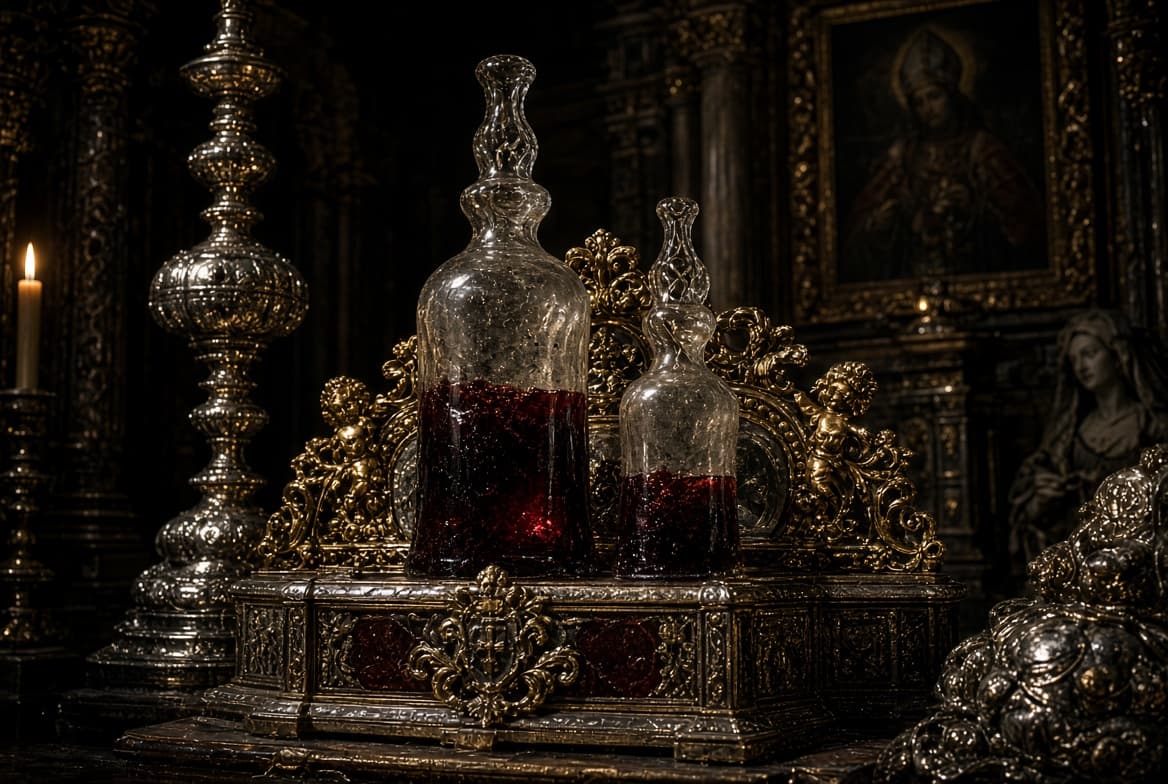
Saint Januarius, bishop and martyr under Diocletian, left the Church more than a name. In the cathedral of Naples are preserved vials said to contain his blood. Several times a year—and on other unpredictable occasions—the dark, solid mass becomes liquid before clergy and people. The liquefaction is public, photographed, and still disputed; it has never been made ordinary.

Whatever the secondary causes one proposes, the Church in Naples has lived for centuries with a calendar marked by this sign: a martyr’s blood that will not stay still, as if the confession of faith under empire continues to move in the presence of the faithful. It is a restless relic—an ongoing interruption of the expected order of matter.

The apparition gable at Knock

Knock, Ireland · 21 August 1879

Our Lady of Knock

A silent apparition on a village gable

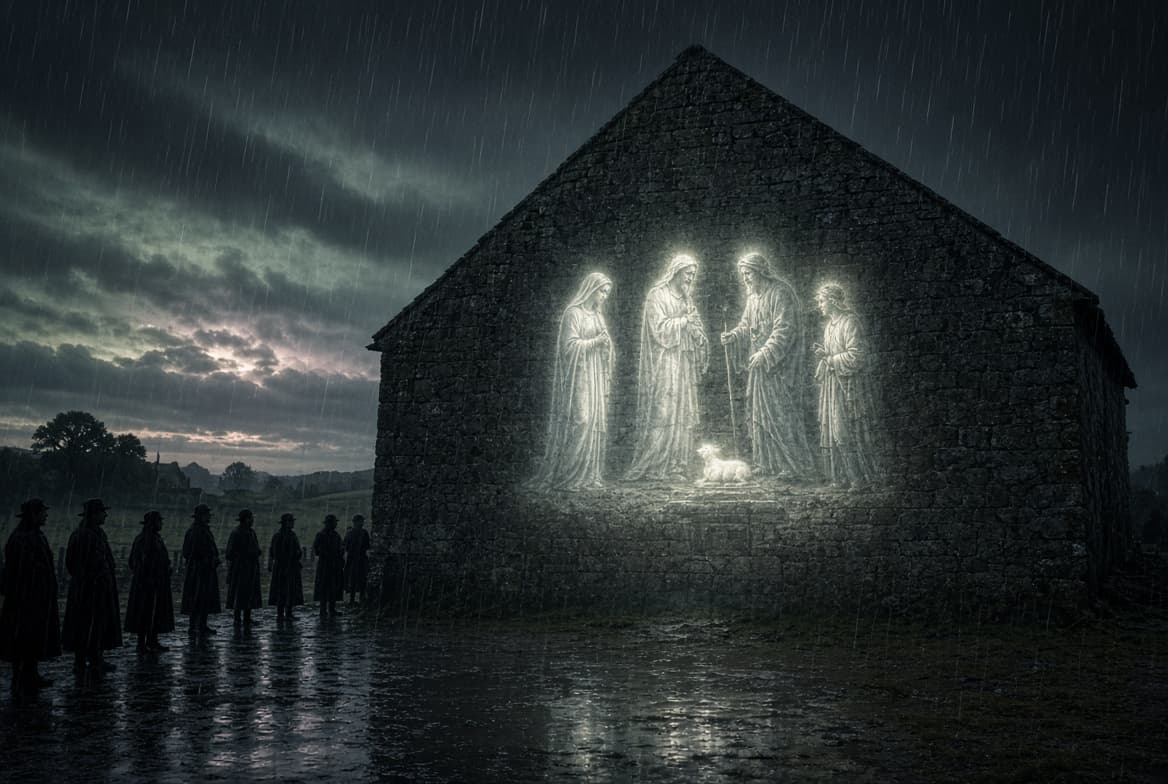
On a wet evening in County Mayo, villagers saw figures on the gable wall of the parish church: the Virgin Mary, Saint Joseph, Saint John the Evangelist in the dress of a bishop, and an altar with a lamb and a cross. No word was spoken. Rain fell; the ground beneath the tableau remained dry according to those who stood there. Fifteen official witnesses gave testimony. A Church commission found their accounts trustworthy.

Knock left no tilma and no spring. It left a wall, a silence, and a pilgrimage that has drawn the sick and the poor of Ireland—and far beyond—for generations. In a country acquainted with famine and emigration, the Mother of God appeared without speech, as if presence itself were the message.

More signs may be gathered here—the empty tomb, Pentecost, and the quiet wonders a parish itself has received.

Formation·History